

Families often compare schools by looking at facilities, tuition fees, location, and academic results. However, the curriculum can influence how students learn, solve problems, communicate, and prepare for university. Understanding the main types of international curriculum helps parents ask better questions before choosing a school.
No curriculum automatically suits every child. Some programmes give schools more flexibility, while others follow a clear sequence of subjects and assessments. Parents should consider their child’s learning habits, future plans, language ability, and preferred classroom environment.
Why Curriculum Choice Matters
The different types of international curriculum shape classroom activities, assessment methods, subject choices, and transitions between school levels. They can also affect how students continue their education after moving countries or applying to universities abroad.
Parents should look beyond the curriculum name. Ask how teachers deliver lessons, track progress, and support students. Two schools may use the same programme but create very different learning experiences.
International Baccalaureate
International Baccalaureate is one of the most widely recognised types of international curriculum. It offers four programmes for students aged 3 to 19, including the Primary Years Programme, Middle Years Programme, Diploma Programme, and Career related Programme. The IB encourages inquiry, critical thinking, reflection, and connections across subjects.
This option may suit students who enjoy asking questions, discussing ideas, and applying knowledge in different contexts. Parents should check which IB programmes a school offers because not every IB World School provides the complete sequence.
Cambridge International
Cambridge International provides a flexible pathway from primary education to Cambridge Advanced. Schools can offer the complete pathway or select individual stages and subjects. Cambridge IGCSE also gives schools a broad subject choice and allows them to create programmes that reflect student needs and local contexts.
Among the types of international curriculum, Cambridge may appeal to families who prefer clear subject progression and recognised external qualifications. Students can build knowledge gradually while developing analytical and independent learning skills.
British Curriculum and Pearson Edexcel
Some schools follow a British style pathway through Pearson Edexcel. Pearson offers programmes and qualifications from the primary years through International GCSE and International A Level. Its iProgress pathway supports students aged 3 to 19 and follows a structure based on the English National Curriculum for international learners.
Families comparing types of international curriculum may find this option suitable when they want a structured subject based programme. Parents should ask which Pearson stages and qualifications the school provides because schools may use different parts of the pathway.
American Curriculum
The term American curriculum can describe programmes based on United States standards, but schools may select different state standards, course structures, and graduation requirements. Many schools use standards such as Common Core for English language arts and mathematics. These standards emphasise literacy, reasoning, problem solving, and preparation for college and careers.
This is one of the types of international curriculum that can offer broad subject choices, especially in secondary school. Families should review credit requirements, assessment methods, diploma recognition, and university counselling.
Australian Curriculum
The Australian Curriculum sets expectations for student knowledge, understanding, and skills from Foundation to Year 10. It includes learning areas, general capabilities, and priorities that connect learning with wider social and global contexts. Schools and teachers can implement it flexibly according to student needs and local requirements.
Parents exploring types of international curriculum may consider this option if they value clear learning goals, creativity, practical skills, and connections across subjects. They should also ask what senior secondary qualification the school offers after Year 10.
Look at How the School Applies the Curriculum
When comparing types of international curriculum, families should focus on implementation as much as programme recognition. Visit classrooms, speak with teachers, and ask how the school supports different abilities. Review their language support programs, assessments, extracurricular activities, and how the school prepares students for the next level.
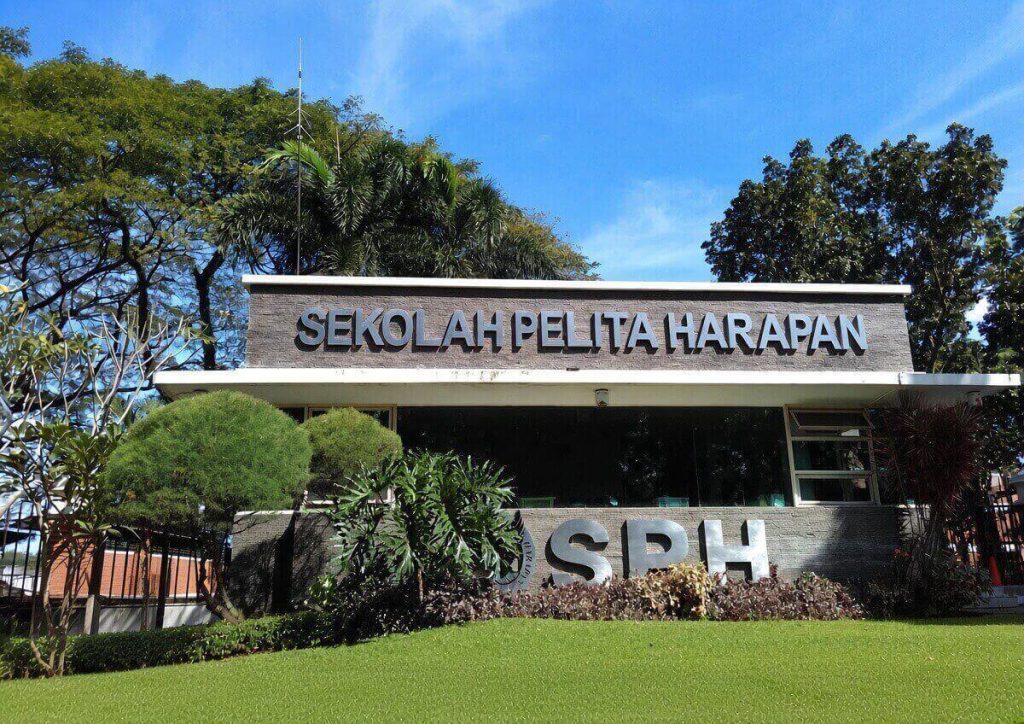
For example, families exploring an international school may come across Sekolah Pelita Harapan, which offers International Baccalaureate and Cambridge International programs based on Christian values. This is only one example, and parents should compare the programme at each campus with their child’s needs.
Turn Curriculum Research Into Better Questions
Learning about the types of international curriculum should help families start more useful conversations with schools. Instead of asking which curriculum is best, ask how teachers use it, how students respond, and where graduates continue their education.
A curriculum provides the framework, but teachers, school culture, student support, and family involvement shape the full experience. The strongest choice gives the child enough structure to progress, enough support to manage challenges, and enough freedom to remain curious.











Komentar